At AspireHer Consultancy CIC, we believe meaningful community programmes begin with listening.
Our work is rooted in a simple principle: women should have opportunities not only to participate in activities designed for them, but also to influence what those activities look like, what they explore and how they develop.
In summer 2026, this approach brought together two important strands of our work: community connection in Bolton and our exploration of more sustainable, responsible technology through Pitch for the Planet.
Starting with people and place
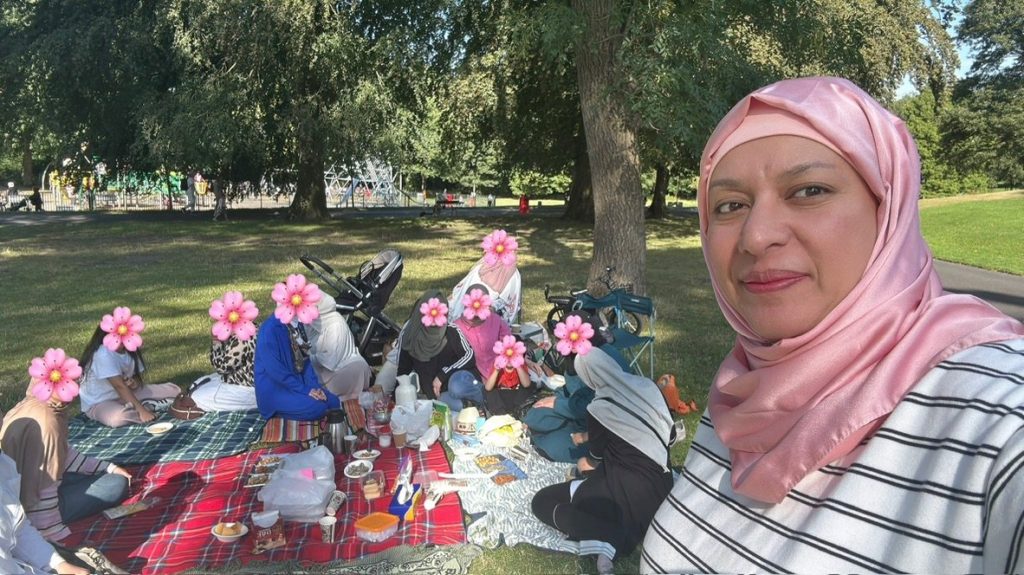
On 7 August 2026, we held our first community gathering at Queen’s Park in Bolton. Meeting in a green public space gave us the chance to connect with women, share ideas and begin understanding what local women wanted from future community activities.
Queen’s Park was more than a location. It was a reminder of the importance of shared spaces, our relationship with the environment and the value of creating opportunities for people to come together.
These early conversations reinforced an important lesson: successful community work does not start with assuming we know what people need. It starts by making space for them to tell us.
For AspireHer, this also connected with a wider question: how can we make subjects such as technology, environmental responsibility and artificial intelligence more accessible and relevant to everyday life?
From Pitch for the Planet to Digital Families
AspireHer’s success in the Pitch for the Planet climate-change competition (part of the Bolton Eco Toolkit), following a community vote, allowed us to turn this question into a practical learning experience.
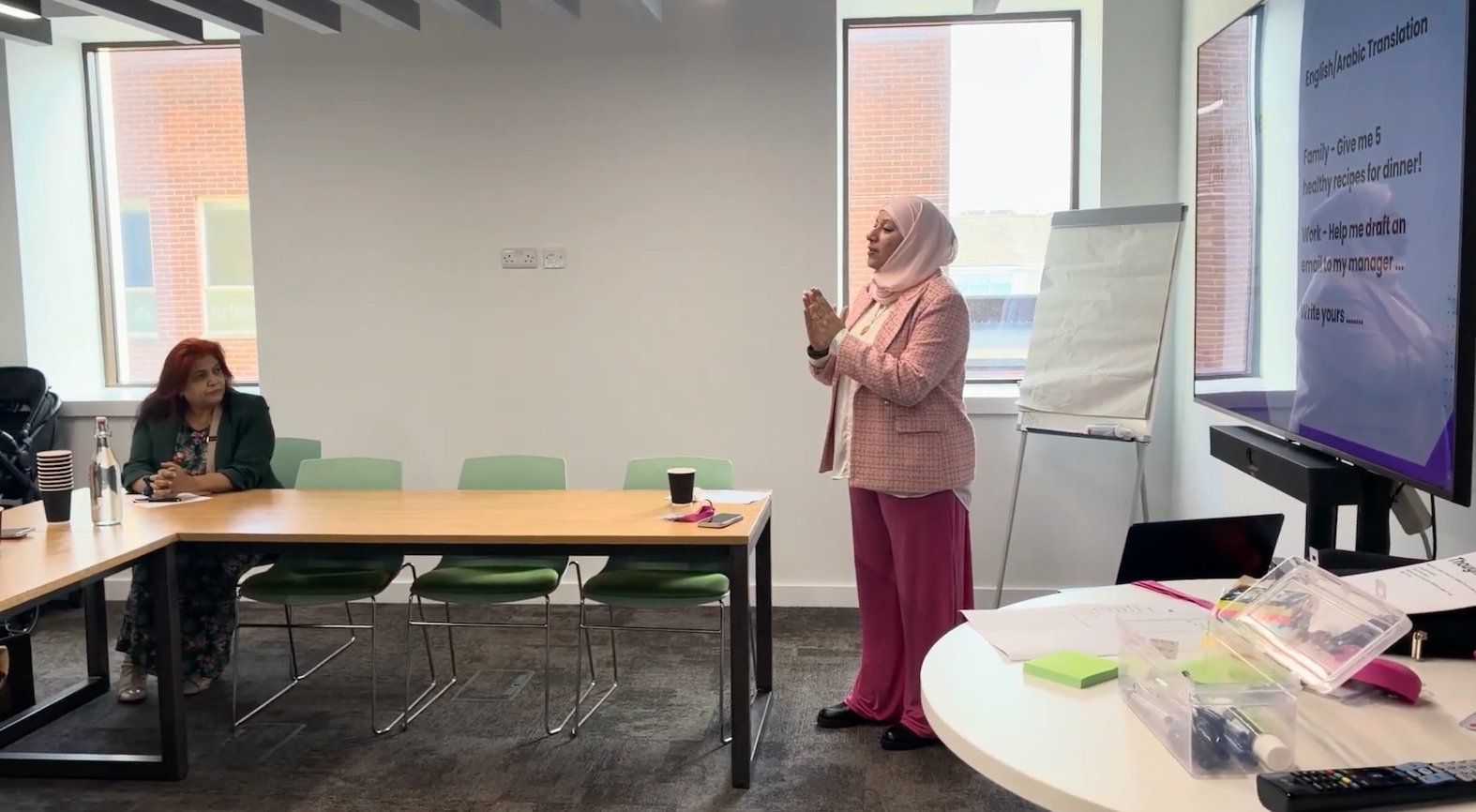
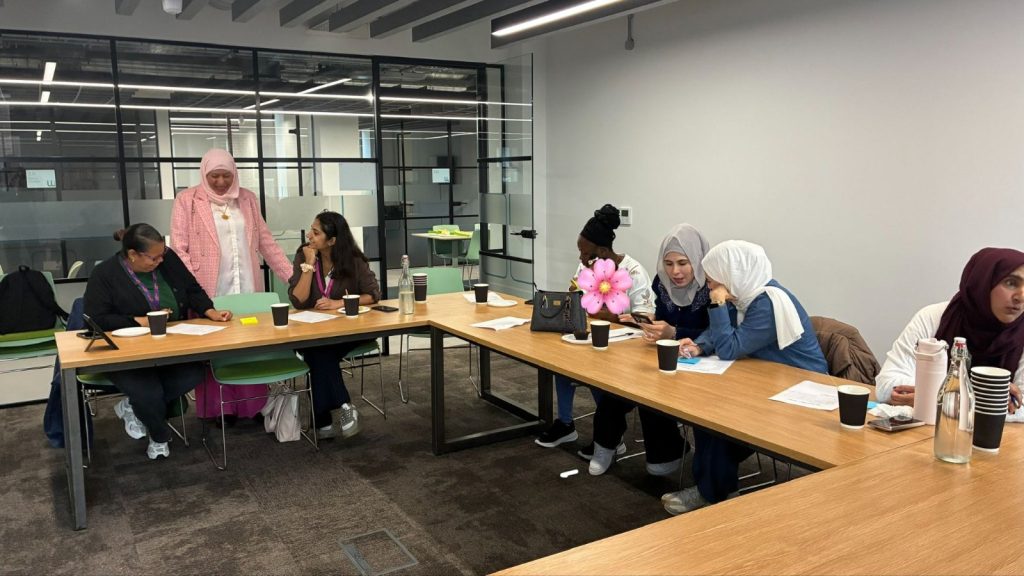
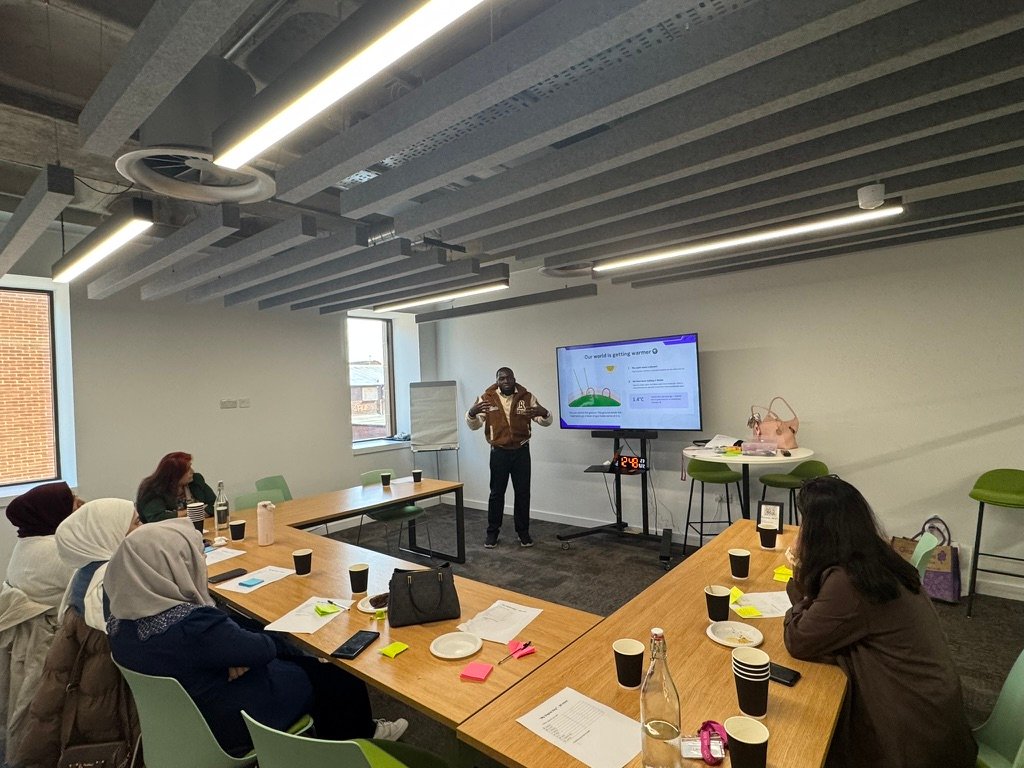
On 22 September 2026, we delivered Digital Families: Our Digital Footprint, an interactive workshop at The Wellsprings in Bolton.
Rather than approaching climate change or technology as abstract subjects, we explored how they connect with everyday decisions made by individuals and families.
Together, we considered our digital habits, the environmental impact of technology, energy and transport, and the growing role of AI in daily life. Activities encouraged participants to think about their own digital footprints, exchange ideas and identify practical changes they could make.
Our intention was to create a welcoming environment where women could ask questions and explore unfamiliar subjects without needing previous technical or environmental knowledge.
We wanted to make sustainable technology a conversation people could take part in, rather than a subject that felt distant, complicated or reserved for experts.
What did we learn from the pilot?
The value of the session was not limited to the subject matter. It also showed the importance of creating an atmosphere in which women felt comfortable contributing, sharing experiences and learning from one another.
One participant described the experience as:
“Very relaxed, good conversations, nice group. Shared lots of good ideas which will be great to see come into action.”
Digital Families participant
This feedback matters because it highlights the value of both the content and the environment in which learning takes place.
Our wider community conversations also surfaced interests extending beyond a single workshop: digital learning, wellbeing, business connections, employment opportunities, apprenticeships and starting a business.
These interests should not be treated as proof that one session has delivered every outcome. Instead, they offer valuable direction for what we explore next and show why continued engagement with women is essential.
The experience has reinforced our belief that accessible learning and community connection can complement one another. When women have welcoming spaces to exchange ideas, they can help shape activities that are relevant to their lives and aspirations.
From a successful pilot to a longer-term commitment
One workshop cannot answer every question, and a positive response is only the beginning. We need continued opportunities to understand who we are reaching, what participants gain, which barriers remain and what would encourage women to return.
That is why we want to build on these early experiences through further community-led activity in Bolton.
Our Connect, Create & Grow project for Queen’s Park and Central builds on the same principle: women should have opportunities to meet others, share experiences, explore interests and help shape a programme that reflects their needs.
The next stage is to turn initial conversations and pilot learning into a more sustained programme, gathering feedback throughout delivery and using that evidence to improve our activities and strengthen future funding applications.
We want to understand not only how many women take part, but also whether they feel more connected, more confident, more aware of opportunities and better able to influence what happens in their community.
Why this matters for the future
For AspireHer, Pitch for the Planet and Digital Families have helped us explore how environmental awareness, digital inclusion and community learning can meet in practical, accessible ways.
Our Queen’s Park gathering and the Digital Families pilot represent different but complementary parts of that journey: listening to women, testing an idea and learning from their responses.
The next step is to build on this foundation carefully, with further engagement, clearer evaluation and partnerships that help us reach more women.
We are grateful to the women who gave their time, shared their ideas and helped shape this work. Their contributions remind us that community impact is not simply something an organisation delivers. It is something we build together.
At AspireHer, we want every conversation to be a starting point: for connection, for learning and for opportunities shaped by the women who will benefit from them.